


RE.CO.LHA: Strengthening Coffee Farm Resilience in Brazil
Launched in December 2025, RE.CO.LHA (Regenerative and Collaborative Harvest) helps coffee farmers in Brazil build more resilient, sustainable businesses through regenerative agriculture and climate action. We spoke with Mariana Martins, Sustainability Manager at SUCAFINA Brasil, about the project’s progress and what lies ahead.
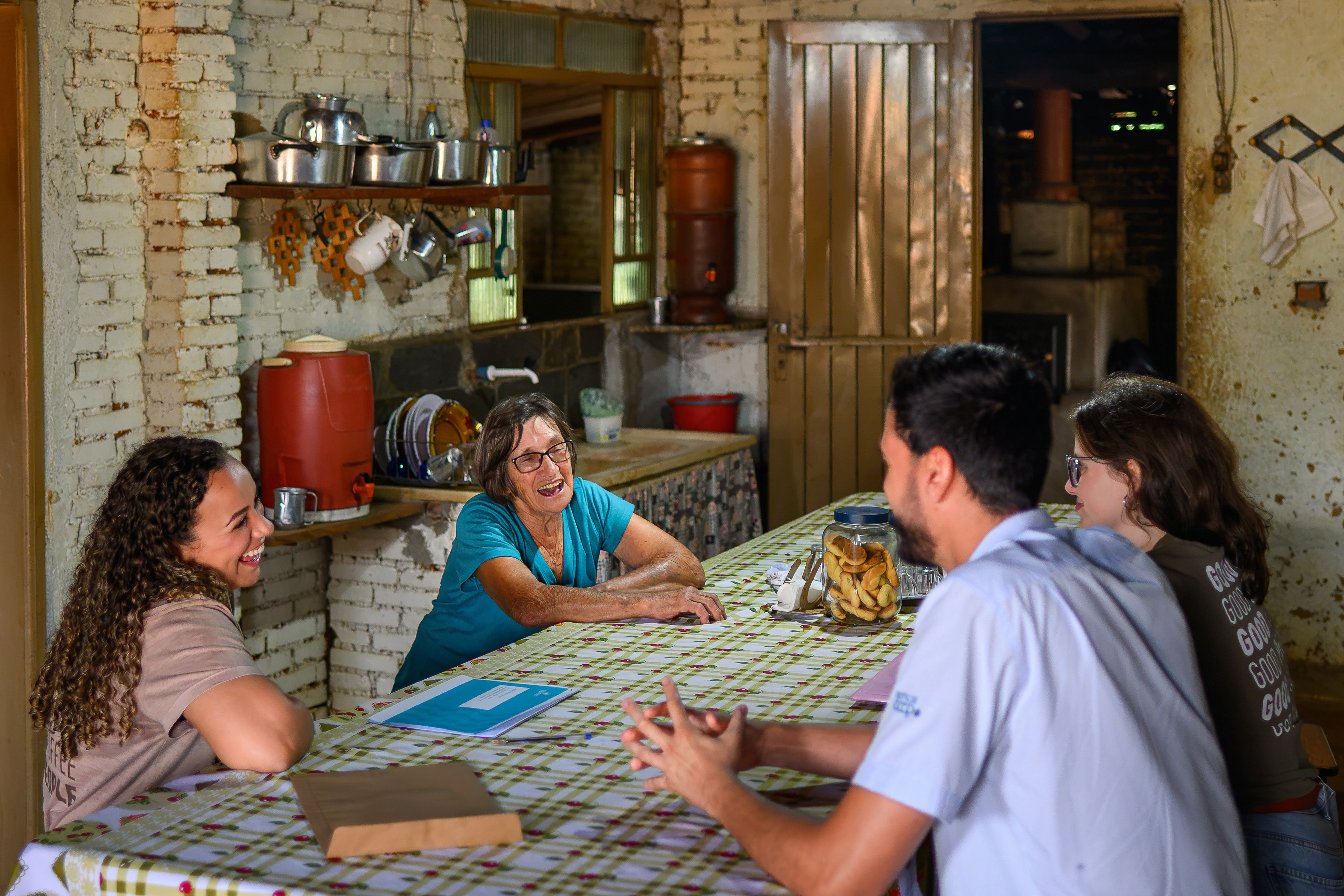
What is RE.CO.LHA, and why does it matter for coffee farmers?
RE.CO.LHA is part of our IMPACT Beyond program, supporting 300 IMPACT-verified farms across 3 Arabica-producing regions: Cerrado, Mogiana, and Sul de Minas.
The project brings together Sucafina, Beyers Koffie, brand partners and local cooperatives like Carpec, Coopercam and Coopercitrus, with a shared goal of strengthening the long-term resilience of coffee production. As one of the funding partners, Beyers also plays an active role in the project’s Steering Committee, helping oversee progress and guide implementation.
Together, we’re investing in regenerative agriculture to help farmers maintain yields, reduce production costs, improve soil health and lower carbon emissions. By tackling these challenges directly at origin, we’re not only supporting farmers but also working toward more resilient, lower-carbon coffee supply chains. This helps address the growing need for responsibly sourced coffee and gives businesses greater confidence in the long-term sustainability of their coffee sourcing.
How does this translate into action on farms?
We’ve selected 40 demonstration farms, each with 2 hectares dedicated to regenerative practices, for a total of 80 hectares.
Based on soil assessments, farmers receive tailored support from low-carbon fertilizers and composting to cover crops, reforestation and windbreaks. We’re also considering 3 to 6 lead farms for more advanced practices, including biochar, fertigation [where irrigation and fertilization are combined] and improved irrigation and farm management.
Our regenerative agriculture expertise and carbon methodology ensure each activity responds to farmers’ specific needs, with clear objectives to improve soil health, maintain productivity, reduce costs and emissions, and strengthen long-term resilience.
What progress have you seen so far?
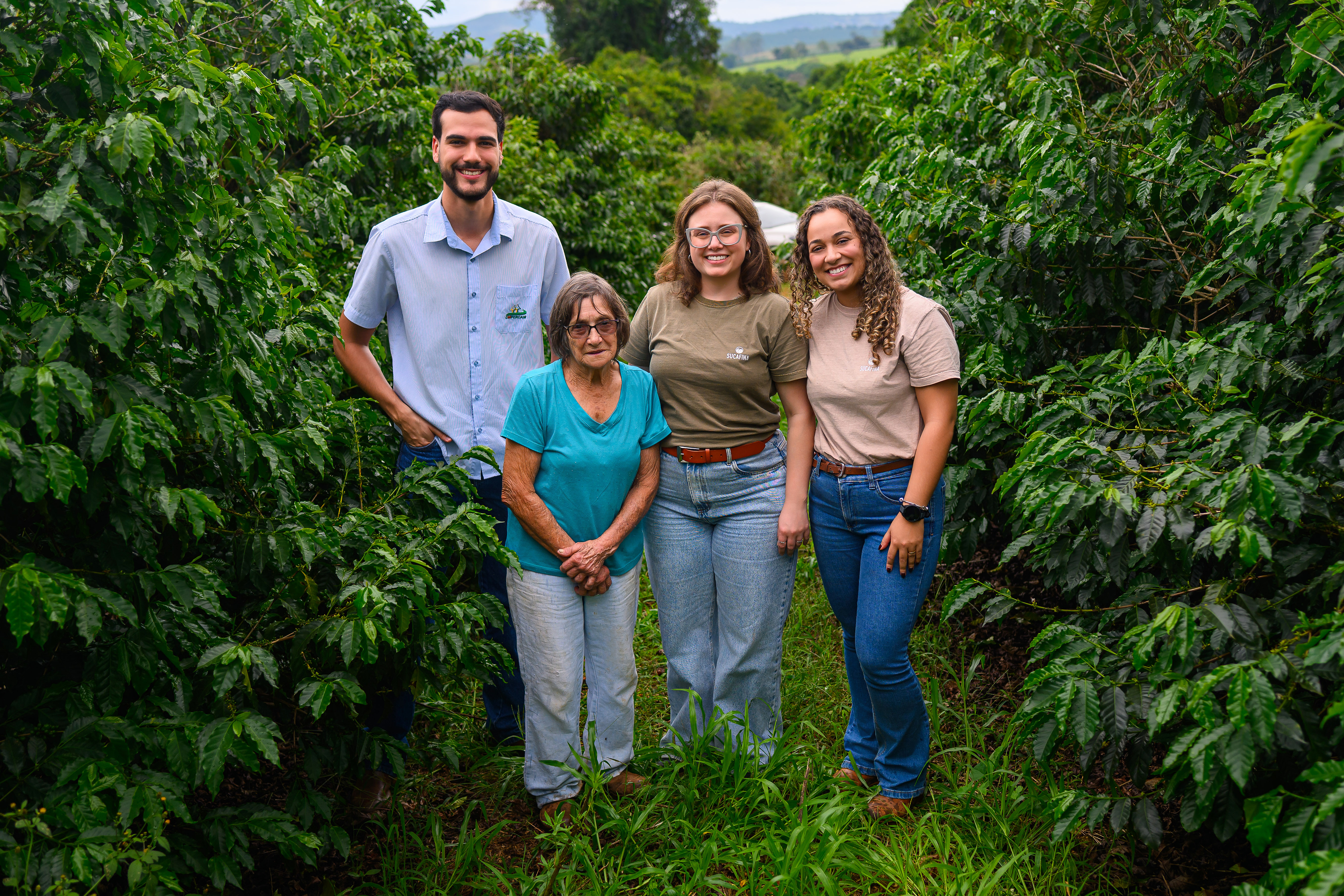
2026 has been an important year for laying the groundwork and moving toward implementation. We’ve carried out IMPACT reverification for the 300 farms, collected 212 soil analyses and established Coffee Production Footprint (CPF) baselines for the 40 demonstration farms. Each has also received a customized action plan to guide improvements.
More than 60 farmers and family members joined our launch event, where we discussed farm resilience alongside the Global Coffee Platform (GCP) Brasil. We’ve also conducted over 400 farm visits through RE.CO.LHA and related IMPACT activities.
Where do people fit into the project?
Regenerative agriculture isn’t only about restoring soils and reducing emissions. It also means creating better conditions for the people behind coffee production. For us, environmental progress and respect for human rights go hand in hand.
That’s why we’ve also introduced the Nossa Voz Program on 22 farms. Managed by LRQA, an independent assurance and risk management company, this grievance mechanism gives farmers and workers a channel to voice concerns, encourages dialogue and helps us identify and address social risks across our supply chain. By integrating human rights into RE.CO.LHA, we’re ensuring that our approach to long-term resilience considers both the land and the people who depend on it.
What’s next for RE.CO.LHA?
With activities following the coffee crop calendar, the final quarter of 2026 marks an important step. We’re introducing biochar, fertilizers and cover crops while preparing reforestation and windbreak activities. 2 field days are also planned in Cerrado and Sul e Minas in collaboration with EMATER-MG, a Brazilian public institution that provides technical guidance and support to rural producers.
In 2027, we’ll continue reforestation, irrigation, and farm management improvements, and monitor progress through visits.
What does RE.CO.LHA mean for Sucafina’s sustainability journey?
RE.CO.LHA is more than a project. It’s a journey that reinforces our commitment to responsible sourcing.
We want farmers to see real improvements on their farms while giving customers greater confidence in our sourcing practices. And importantly, we want to ensure that human rights remain central to this work. After all, regenerative agriculture can only be truly sustainable when the people behind coffee production are supported too.
About IMPACT Beyond
IMPACT Beyond builds on Sucafina’s IMPACT Responsible Sourcing Program, supporting targeted initiatives that go beyond verification. Working with farmers, customers, and local partners, it aims to deliver measurable environmental and social improvements while strengthening the resilience of coffee-growing communities.
About Mariana Martins
Mariana Martins has served as Sustainability Manager at SUCAFINA Brasil for over three years. She leads the company’s IMPACT and EUDR strategies in Brazil and manages Sustainability projects under the IMPACT Beyond program. With nearly 10 years of experience in socio-environmental project management, including 8 years in the coffee sector, she has worked with a Fairtrade cooperative, multinational companies, consulting firms, industry stakeholders and international organizations. She is passionate about creating positive social and environmental impacts and making meaningful differences in the communities where she works.